Child Behavior Development
Toddlers are free comedians at home and as they growing up their behavior becomes more and more difficult to understand. Child behavior refers to the actions and reactions and functioning of children in response to everyday situations. It is shaped by age, gender, developmental stage, temperament and environment.
Formation of Behavior involves combination of genetic factors of prenatal neurobiological process and environmental acquired factors. Early identification and intervention are crucial for managing and preventing long-term consequences or transitioning into adulthood. During developmental stages there may be shift in behavior patterns which parents may face many challenges to cope with. Some children may need more help in managing strong emotions or disruptive behaviors and others may be struggling to become overly aggressive, or impulsive.
Knowing Emotional Child
The world of Children revolves around feeling/emotional mind. It is influenced by a combination of genetic, environmental, cultural and psychological factors. Providing a conducive atmosphere in the early brain development and social learning play critical roles, with culture and language uniquely shapes human actions in way that is not available to other species. There are two main reasons for this phenomenon.
First, the stress response area is highly active and has a lower cognitive understanding of control over their environment, so they often feel helpless and afraid in front of elders. Primarily because the logical, rational part of their brain is still developing, making them rely on emotions to navigate, survive, and communicate.
Secondly, the prefrontal cortex and other brain lobes grow at different paces, & with the prefrontal cortex having the most extended, slowest maturation timeline, not reaching full maturity until the mid-w20s. This developmental lag characterized by uneven brain maturation leads to risk-taking and impulsivity, impaired executive functioning, emotional regulation issues, high sensitivity to social peer influence and vulnerability to environmental stressors.

know the child’s hidden behavior as early as 18 months

Observation Model
Children learn their behavior patterns from early age known as observation modelling. This process begins as early as SEVEN DAYS of their birth by imitating simple facial expressions.
Toddlers around the age of two to the end of early childhood, where they begin to acquire complex social skills through Observed visual information that creates internal mental stimulation and rehearsal of actions
Early childhood is a period where children are more likely to repeat behavior that they receive appreciation or praise or attention. This is also the period for cognitive development, understanding the causal link between actions & consequences or negative outcomes of unintended actions & reactions or sometimes the reinforcement of unwanted behavior.
Shaping up of Behavior
Early shapers of behavior in children are the Parents and Educators. They nurture appropriate behavior in every child. A child’s behavior is being shaped by their emotions rather than logic, where the developmental mindset needs control and connection.
RGB Analyzes at 18 months of age
Conducting RGB Analyzes report as early as Eighteen months of age (18 months) provides insight into these emotional roots where parents and educators can address the underlying (hidden) feelings rather than just the surface (observable) behavior which helps decrease acting out and support healthy behavior development in children.
RGB Analyzes provides more than just Behavior. It also provides insights into teaching & learning procedures to be adopted for each child, how cognitive process takes place, natural inclination for subject wise attitude.

Behavior as Communication
Children’s behavior can be difficult to understand because it often serves as a form of communication, rather than mere disobedience. Some behaviors are part of normal development such as (occasional defiance, or mood swings), persistent or severe patterns such as aggression, defiance lasting for several months. Behaviors that disrupt school or home life may indicate a need for root cause identification and characterization in the context of
- Physical and mental development
- Temperament and Perceptual process
- Emotional relationship with parents, teachers and peer groups
Parents usually consider these as unacceptable behavior because they often try to understand & discern it with rational mind.
Feeling Mind
Though not all childhood behavioral conditions are neurobiological disorders because children can be naughty, defiant, and impulsive from time to time, and it should wane away as the age progress. Continuous challenging behaviors when it becomes outside the norm of their age and can be either temporary stressors in the child’s life genetically inherited phenomenon, or they might represent more enduring, then it can be of neurobiological origin.
A child sees the world from feeling mind, and the behavior may be driven by emotional state of mind, caused by social interactions, environmental conditions such as trauma, or social deprivation.
Continuous challenging behaviors when it becomes outside the norm of their age and can be either temporary stressors in the child’s life genetically inherited phenomenon, or they might represent more enduring, then it can be of neurobiological origin.

Interpretation of Behavior
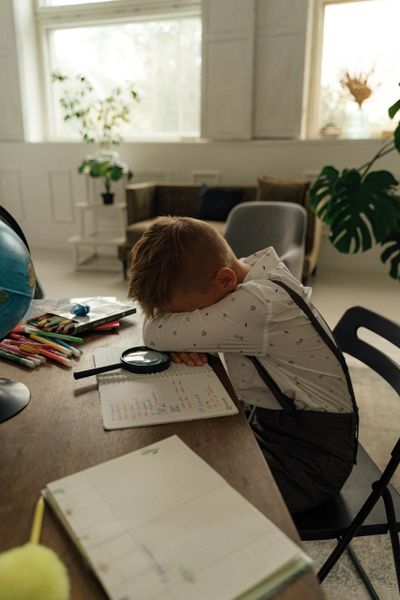
Some children display extremely difficult and challenging behaviors that are outside of their norm of age. These problems can result from a host of temporary stressors during the span of their childhood and overflow into adolescents and in some cases, become more enduring disorders. The most common disruptive behavior disorders include Oppositional Defiant Disorder (ODD), Conduct Disorder (CD), attention deficit hyperactivity disorder (ADHD) and most common what we hear is autism spectrum disorder (ASD).
When you notice some of these Behaviors
- Easily angered, annoyed or irritated
- Frequent temper tantrums
- Argues frequently with adults, particularly the most familiar adults such as elder siblings or parents
- Refuse to obey rules
- Seems to deliberately try to annoy or aggravate others
- Display low self-esteem and low frustration threshold
- Child seeks to blame others for any misfortunes or misdeeds
- Frequent refusal to obey parents or other authorities
- Repeated truancy
- Tendency to use drugs including cigarettes, alcohol or other substances
- Lack of empathy
- Being aggressive & sadistic behaviors including bullying and physical violence
- Frequent lying
- Early criminal behaviors such as vandalism, lighting fires
- Tendency to run away from home
- Depression, suicidal tendencies
- Delayed speech or language development
- Limited verbal communication or being nonverbal
- Difficulty understanding tone, sarcasm, or body language
- Trouble in understanding social cues
- Challenges forming or maintaining friendships
- Strong reaction to lights or sounds or textures or smells
These behaviors on a Clinical Observation identified as either Autism, Oppositional Defiant Disorder or Conduct Disorder.
Neurobiological Perspective
A Neurobiological approach indicates these as neurotransmitter imbalances caused by serotonin, dopamine, and norepinephrine play a significant role in the neurobiology of ODD, CD, Autism. Imbalance in these neurotransmitters contributes to core symptoms involving impaired punishment processing (deficit in learning from negative consequences), hyposensitivity to reward (reduced responsiveness characterized by diminished motivation) and cognitive control.
RGB Analyzes on the other hand identifies these anomalies as dysfunctional traits rather than classify into a particular category of behavioral disorder. This helps to pick the trait/s that causes such disfunction and can be modified to effectuate cognitive control.

Behavior and Academic performance
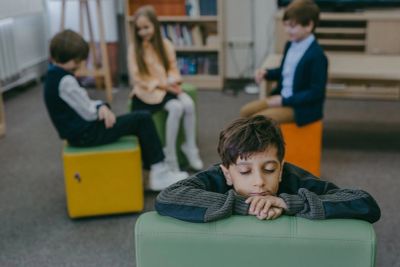
Behavior and Academic performance are two different aspects. Behavior is important because every child learns their curriculum with different attitude. An attitude is a behavior in Genetic Behavior Analyzes perspective. Understanding attitude as Behavioral Trait means how the child develop attitude towards each subject, easy / hard / like it but difficult to follow or dislike the current teacher, or there may be differences in written where it scores less while oral exam scores scoring high, or may have developed an attitude towards parent engagement, or even peer groups can affect learning process.
Parental Belief
Family is the first environment where behavioral and intellectual maturity development happens. Children copy some of the external environment stimulations (Nurture) in terms of belief system, values, norms constructed by each parent, built upon by each generation within various cultural contexts. The copying preference of such external stimulations can be affected due to adolescent-rearing beliefs, when getting contradicted with Perceptual Distortions, predominant Episodic Memory, conformity issues, cognitive-affective syndrome and other unknown or existing behavioral issues.
Parental or family belief and perceptions in emotional, social and behavioral attitudes can augment child’s perceptual dissonance that may translate into perceptual distortions during adolescence timeline of the child.
Understanding Subject – Specific learning process and functional area in a professional set is important apart from attitudinal issues arising from academic progress.
Learning favorite and unfavorite Subjects
Children’s subject preferences are driven by a combination of individual trait-based dispositions and cognitive abilities. Cognitive abilities are neurodevelopmental process where RGB Analyzes identifies as crystallized and fluid intelligence, functional synaptic regulation as progressive, static and underutilized state of faculties of mind and traits of perception on the subject matter.
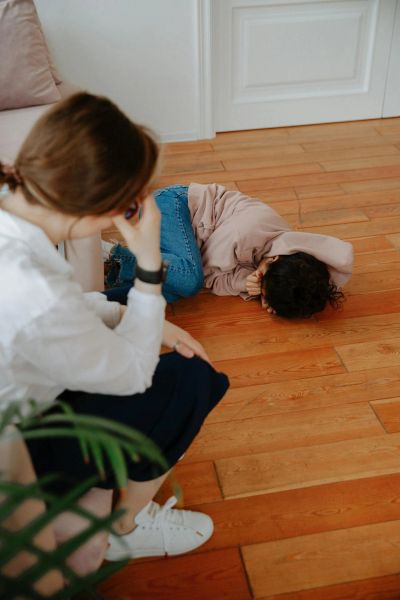
Trait Interests: Students learn certain subjects with ease and other subjects with difficulty. But in certain cases, they lose focus or interest from their favorite choice. The reason for driving them to switch from favorable to unfavorable can have many reasons. These preferences of shift usually not raised from intellectual drain but often stemmed out as a behavior caused by psychological disagreement of some unknown factors, developed & accumulated over a period of time. Behavior trait analyses can reveal & prevent possibilities of such buildup of eventualities
Childhood to adolescence transformation
Childhood to adolescent faces significant educational and behavioral challenges during transitional period from childhood to adulthood. This usually appears in children of ages 12 – 18 experiencing increased academic pressure, due to learning difficulties causing anxiety and stress. Behavioral problems usually linked to significant academic reductions, with symptoms of like inattention, oppositional / defiant behavior. Long-term consequences if unattended these behavioral issues may develop as emotional distress spill over into adulthood behavioral problems. Before understanding Subject – Specific learning and Intelligence we need to address the transformational stage from Childhood to Adolescence.