code of inheritance

The inheritance code is the way one to understand unconscious thought patterns of behavior. The Neuro-Cellular memories such as fear, anger, emotional disturbances, external & internal conflicts in thought process, conditions from war like situations are the traits of unconscious behavior simulations. These are called the Developmental Noises during gestational age which presumed to make their marking on the dermal ridges, captured and analyzed as the inheritance code of behavior.
Emotional Mindset
The inheritance code captured by RGB Analyzes provides an insight into each individual’s natural behavior preferences, understanding true potential, the reasons for actions, reactions and omissions. The results provide deep self-awareness on emotional nature whether those preferences are of “Logically Emotional or Emotionally Logical” in their approaches to People/Social interaction, Task Performance, and Problem-solving ability in Personal, professional or contextual domain.
Cognitive Neuroscience and Behavioral Neuroscience, linking to the neural mechanism in thought order formation, interpretation, memory & its recall, language, and selective attention become the central focus of inheritance code approach.
Role of DNA, Genes and Chromosomes
DNA is not just one factor that influence Human behavior. During gestation DNA is influenced, regulated and modified by the endocrine system both physical and mental state of the mother. The key components for genetic behavior structure are:
DNA is the molecule storing the code
DNA is the molecule that contains the genetic instructions used in the growth, development, functioning, and reproduction of all living organisms. DNA is like the instruction manual for building and maintaining an organism, including its brain and Species Typical Behavior Pattern.
Genes which carry the instructions for traits
Genes are segments of DNA that carry the instructions for making proteins, which are essential for the structure and function of our cells. Each gene has specific function, and these instructions are passed down from one generation to the next. In the context of behavior, genes influence everything from physical traits to our susceptibility to certain mental health conditions.
Chromosomes are the organizational structure
Chromosomes are long strands of DNA that are coiled up and packaged inside the cell’s nucleus. Humas have 23 pairs of chromosomes, each of which contains hundreds or thousands of genes. The genetic material from both parents comes together to form the complete set of chromosomes in the offspring, influencing both physical traits and behavior.
behavioral genetics
Gestational Neuroscience focuses on how the parental environment, such as birth size, maternal stress, and serotonin levels, programs the developing fetal brain and influences future behavior through epigenetic mechanisms like DNA methylation. It is an emerging interdisciplinary field that suggests that the intrauterine environment is crucial for sculpting the fetal brain development and long-term intense neural formation. Behavioral Genetics and Gestational Neuroscience are deeply related fields that intersect to understand how genetic factors and in-utero environment combined to shape fetal brain development, cognitive function and behavioral outcomes.
Behavioral Genetics is the broader field of studying the impact of organism’s inherited genes on its behavior often analyzing the relative contributions of heredity versus environment using methods like twin, adoption and selective breeding.
Both fields intersect how maternal genetic variations – a behavioral genetics factors – interact with gestational environment to affect fetal development, as how maternal serotonergic system genotype influences offspring brain structure and neuropsychiatric risk.
DNA is present in every living organism and apart from passing Species Typical Behavior pattern. During pregnancy genes influence neurotransmitters in the mother and fetus driven by both internal and external factors. These mechanisms alter the production, transport and receptor binding of key neurotransmitters such as serotonin, dopamine and GABA which are critical for fetal brain development and maternal adaptation.

DEVELOPMENTAL NOISE
The Code of Inheritance is the origin of behavior. In a way one to understand unconscious patterns of Thought Order Formation or triggers of behavior the need to understand the traces in Neuro-Cellular memories such as fear, anger, emotional disturbances, external & internal conflicts in thought process, effects of war like situations at the time of gestation, becomes the traits of unconscious simulations. These are called the Developmental Noise during gestation, which make their markings on the dermal ridges as fossilized in-utero environmental history. These are captured and analyzed as the inheritance code of behavior.
Causes and Risk Factors
Behavioral challenges both in Adult and Child, do not come from a single cause. They develop through a mix of biological and environmental factors. Maternal emotional disturbance during gestation significantly alters fetal brain structure and function. Research indicates abnormal development of neuronal pathways linking to maternal stress, anxiety, depression, war like conditions, partner infused thought order issues, prior history of personality disorders, directly affects to reduced hippocampal and cerebellar volumes, increased cortical gyrification and altered functional connectivity in brain regions are the critical factors in Genetic Behavioral programming.
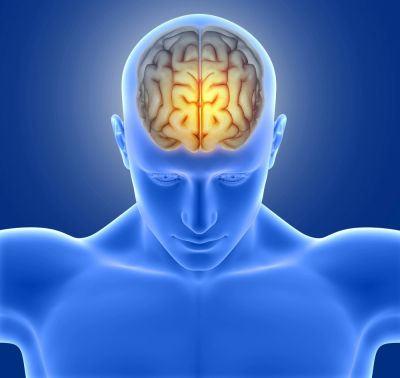
Human Brain
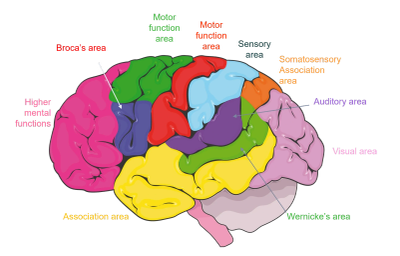
Brain is made up of 80 to 100 billion neurons and the central control unit for all bodily functions, behaviors and emotions. Brain is the sole entity for acquiring new information. Behavior refers to the actions and reactions of an individual in social setting, corporate environment and solving challenges.
The human brain is driven by a complex, high-speed chemical communication system where neurotransmitters act as messengers to transmit, amplify, and convert signals between neurons. It is important to know how the progression in neural wiring in each developmental stage via plasticity – strengthening active paths and pruning weak ones – to adapt to learning and development.

Hormonal effect
The human body contains trillions of cells, and each cell is a chemical composition. There are certain cells that comprise the endocrine system. Endocrine system is a chemical messenger that release hormones released by internal glands absorbed into blood rather than a duct. During emotional stress or distress, various hormones within the body get stimulated and these signaling molecules transported by the circulatory system target distant organs such as brain or other organs of the fetus. These impacts are the Developmental Noise, and the resultant of those impacts are more evident in the behavioral display especially if those DN are happening during the gestational age of 10 ½ weeks to 17th – 19th week of the pregnancy
Science of Dactylometry
RGB Analyzes identify behavior patterns as Static & Fluid genetic traits from the Fingerprints as input method. It is believed the utero environmental complexities such as chromosomal alterations, endocrine activities, placental & mitochondrial dysfunctions, maternal immune activations consider as the indicators in the formation of fingerprints. These disruptions are prenatal Developmental Noise produce non-linear elastic forces on the embryonic tissue in the ectoderm that later differentiates to form epithelial and neural tissue. Ripple formations are the stressors that operate through the HPA axis. The Merkel cells exposed to nerve endings without myelin sheath, store serotonin which acts as a morphogen, are associated with basal epidermis of the skin nerve endings, releases serotonin in response to maternal emotional stress of in-utero environment. The effects are formed into symmetrical or asymmetrical friction ridge constellations during embryo genesis.
RGB Analyzes captures the complexities of genetic information from this fossilized utero environment history, identifying the differences of growth rate of embryo dermis and epidermis on the timeline occurrences, converts it into traits of Genetic Behavior.
These ripple formations are the Developmental Noises of the utero-stress, compounded to form a complex algorithm of mathematical and computational models of Psychology. This approach not only reveal vital genetic / inherited aspects of utero-environment information about an individual’s unconscious thought order formation, to reveal the core Individualistic, cognitive, perceptual process in Psychological & Behavioral uniqueness but also eliminates Question & Answer or Paper – Pencil test method - a conscious mode in the identification of patterns of Behavior practiced by the conventional Psychometric instruments.
RGB Analyzes developed by employing both quantitative and qualitative approach in the experiments and validation of the Behavioral outcomes.

Behavioral Uniqueness
RGB Analyzes as a Genetic Behavior Trait identification instrument is on the view that behavior is biological function and it is motivated by internal & external cognitive overload as inner unconscious force over which a person has little control.
RGB Analyzes examine this biological function during pregnancy how it affects the fetal brain in terms of neuropsychological aspect and how it might have impacted in the behavior of a child and carry forward to adulthood.
RGB Analyzes does not stamp any individual as Psychotic or Neurotic. It is considering each individual is unique and identifies why they act or react in similar situations differently. This uniqueness lies in the utero environment and the effects of endocrine system. These uniqueness is identified by correlating theories of Behavioral Science and by employing the methodology of Science of Dactylography.
Gestational Neuroscience of Behavior
Fetal Programming

Humans are biological entities and being biological makeup, genetics of inheritance play a significant role in shaping up the behavior propositions. Fetal life and infancy are the most rapid periods of brain growth in the life span of a person.
Identifying and controlling possible cognitive overload arising from parents’ behavior pattern can help in Neuro-management during pregnancy. Maintaining balanced emotional state for expectant mother & external environment can mitigate adverse complications in fetal programming arising from cognitive overloading and adverse endocrinal activities.
The mother’s emotional state of mind during gestation impact the baby’s brain. Excessive fear, anger, or anxiety may produce irritable and hyperactive infants. (Healy, Jane M., PhD. Your Child’s Growing Mind. P 13-15. NY: Doubleday, 1987, 1989.)